Înapoi la știri
Oil prices ease as US seeks reopening of the Hormuz Strait - BBC
1 oră în urmă
7 minute min
Maria Simionescu
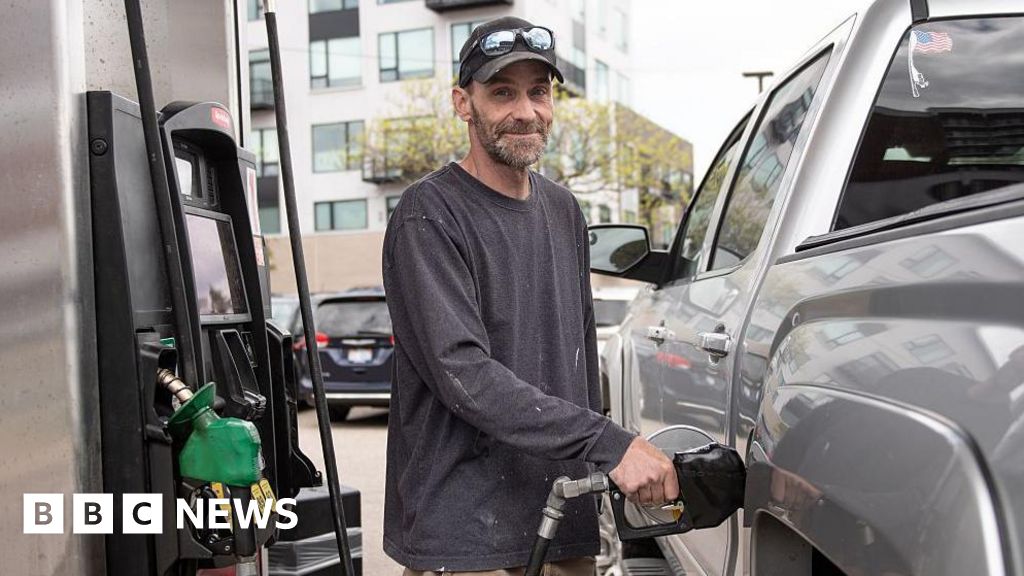
ShareSaveAdd as preferred on GoogleOsmond ChiaandMitchell Labiak,Business reportersGetty ImagesOil prices have dropped and global stock markets have risen following reports that the US and Iran are close to a deal to end the war. Brent crude futures, the global benchmark oil price, fell to $97 (£73) a barrel after the reports before rebounding to over $101. The price was over $108 earlier in the day. The FTSE 100 index of London's largest public firms and Germany's Dax index closed over 2% up while the French Cac 40 was up 3%. Asian indexes also ended the day higher while the US S&P 500 was up by more than 1% over the day. The market movements come after Axios reported that the US believes it is close to a one-page document which will end the war and set up detailed nuclear talks. Hours later, an Iranian foreign ministry spokesperson told Iranian Students' News Agency that the US proposal to end the war with Iran was still being considered. However, not long after that, Trump suggested a deal could still be a way off. He said on Truth Social that any agreement by the Iranians is "a big assumption" and that a failure to come to a deal will result at bombardments "at a much higher level and intensity" than was the case during Operation Epic Fury. Oil prices are still much higher than the $70 a barrel they were hovering around before the start of the US-Israel war with Iran, which has caused caused production and transportation of oil in the region to slump. Central to the conflict is Iran's threat to attack oil ships crossing the Strait of Hormuz, a narrow waterway south of the country, in response to US-Israeli strikes since 28 February. About a fifth of global oil and gas shipments usually cross the strait, which has been effectively closed for weeks. Global gas prices have also soared since the conflict began. As for stock markets, the big European bourses are lower than they were at the end of February, while the S&P 500 climbed by more than 1%. The main Asian markets all rose on Wednesday, with the South Korean Kospi closing up 6.45%, the Hong Kong Hang Seng ending the day up 1.22%, and the Japanese Nikkei finishing 0.38% higher. The Hang Seng is down since the start of war, but the other two are up. On 8 April, the US and Iran agreed a ceasefire, which caused oil prices to slump and stock markets to jump. However, on Sunday, US President Donald Trump said the US military would guide ships through the Strait of Hormuz, dubbing it "Project Freedom", leading to a rise in attacks in the strait from both Iran and the US. Trump then said on social media on Tuesday he would pause the operation "for a short period of time to see whether or not the Agreement can be finalized and signed". He added that "Great Progress has been made toward a Complete and Final Agreement with Representatives of Iran". Trump said the US would continue to block ships transiting to and from Iranian ports, a move designed to put pressure on Iran's economy. On Wednesday, Axios reported that the US believes it is getting close to a one-page memorandum of understanding to end the war, citing two U.S. officials and two other sources briefed on the issue. That would, it is claimed, declare an end to the war in the region and start a 30-day period of negotiations on a deal to re-open the strait, limit Iran's nuclear programme, and lift US sanctions. The reports suggest this is the nearest to agreement that both sides have been since the conflict got under way. The US is believed to be awaiting response from Iran on several key points within the next 48 hours. US Secretary of State Marco Rubio also told reporters on Tuesday the initial US-Israeli offensive in Iran was over, as Washington's objectives had been met. "We would prefer the path of peace. What the president would prefer is a deal," Rubio said. Iran has not responded to Rubio's remarks. The country's parliamentary speaker Mohammad Ghalibaf said earlier: "We know well that the continuation of the status quo is intolerable for America, while we are just getting started." Project Freedom, which Trump said was meant to ease the flow of energy through the channel, had tested the ceasefire between the sides. The US said it struck several Iranian "fast boats" in the channel, while the United Arab Emirates also accused Iran of launching strikes on one of its oil ports - a claim Tehran has denied.